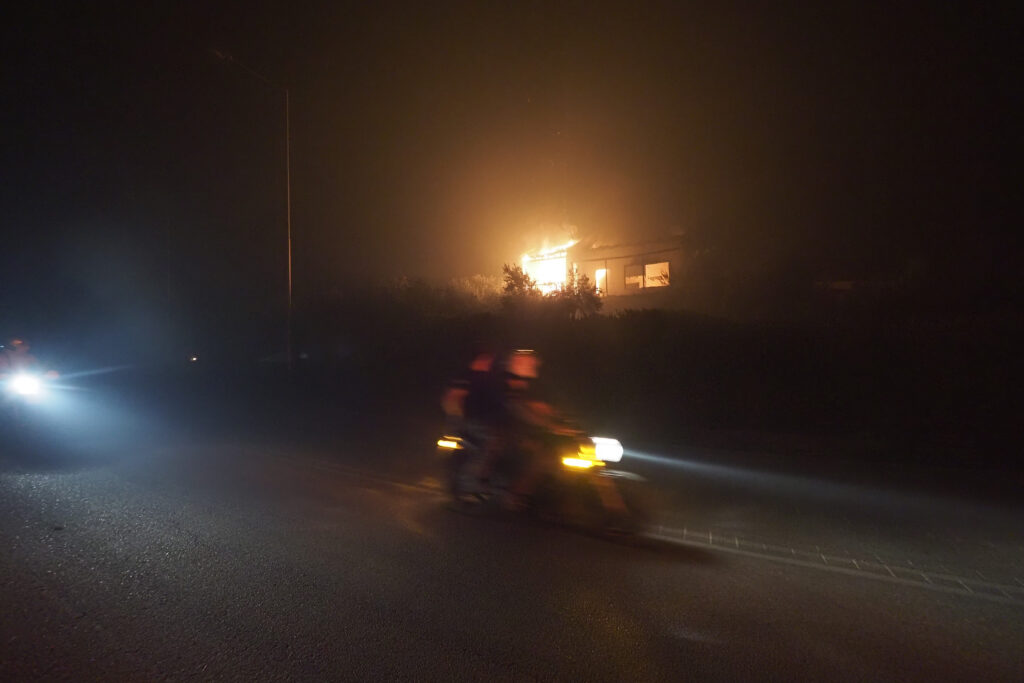
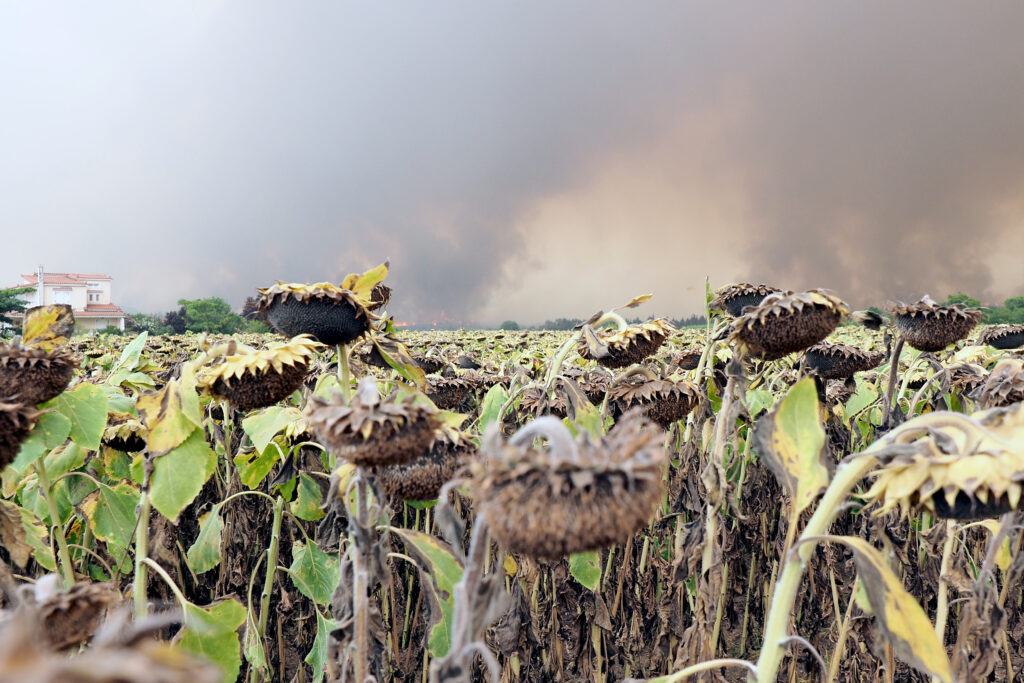
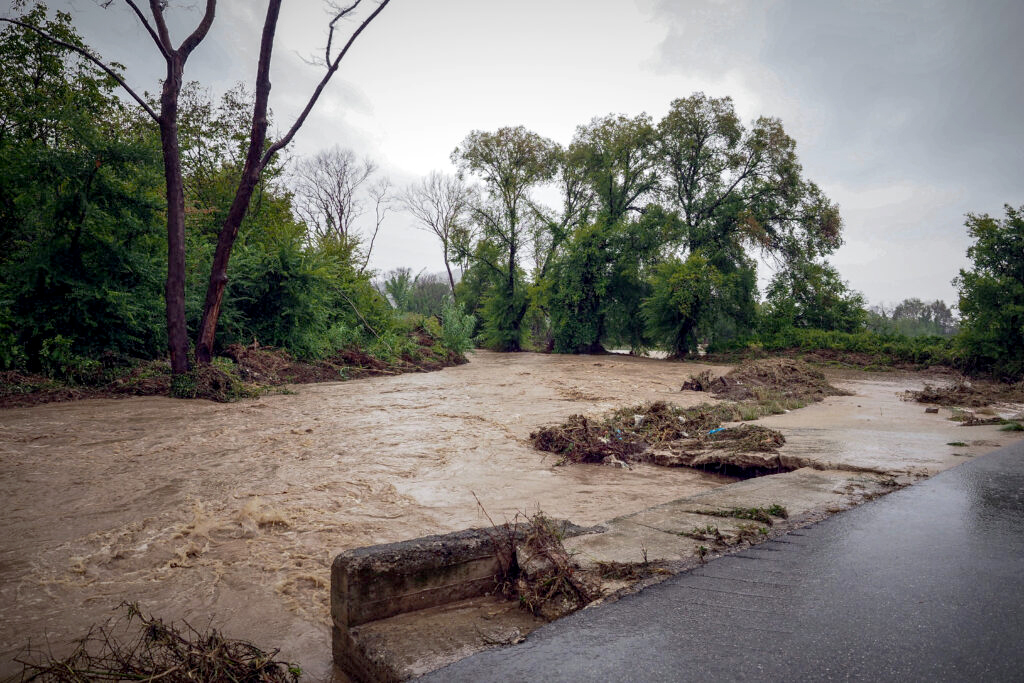
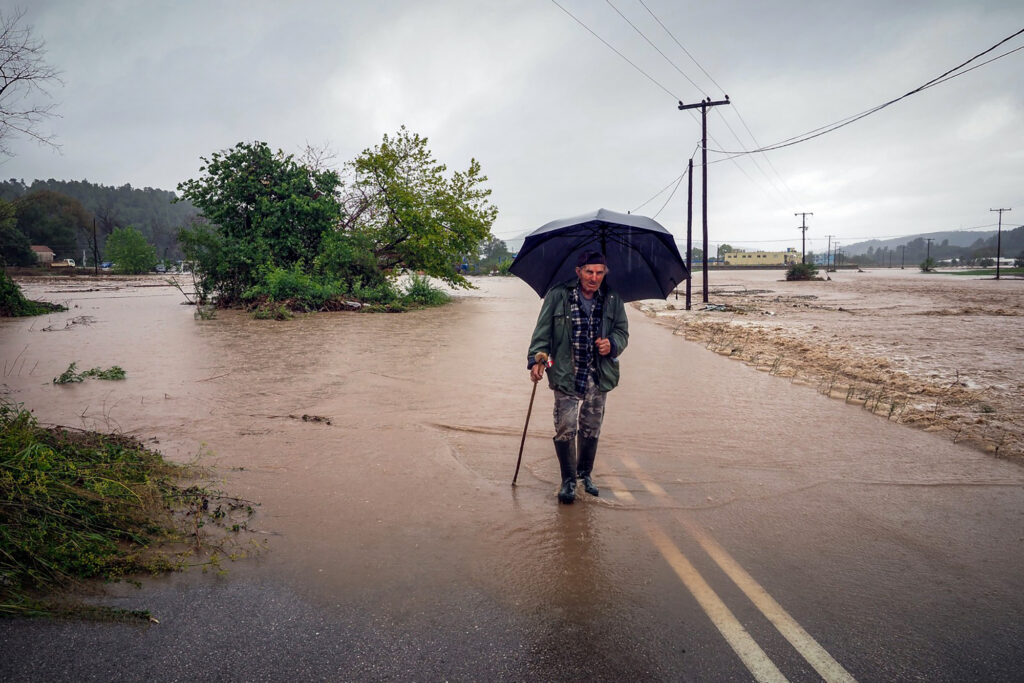
“There is no beauty when you have to photograph the burned villages of your ancestors. There is no beauty when you see your people begging for rain. There is no beauty in Evia. Where beauty lives, there is no more beauty”.
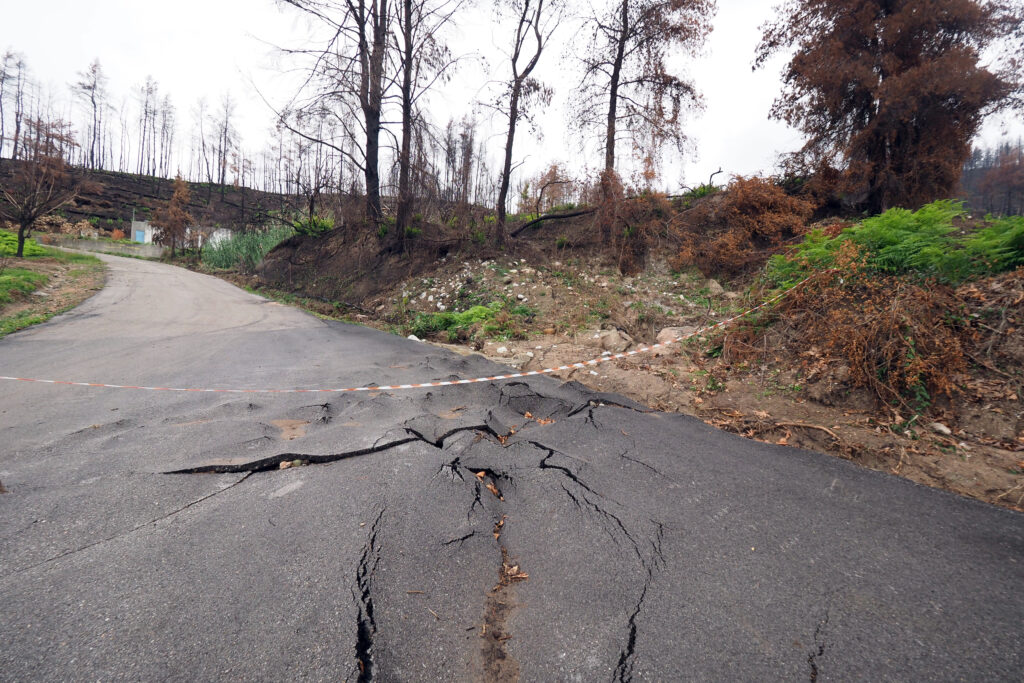
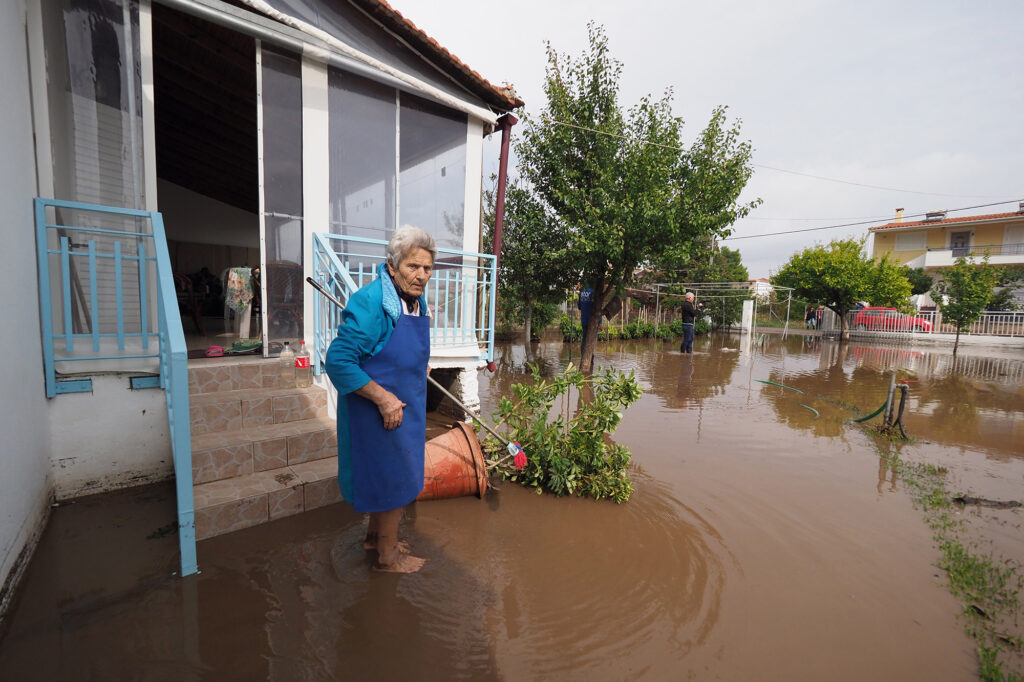
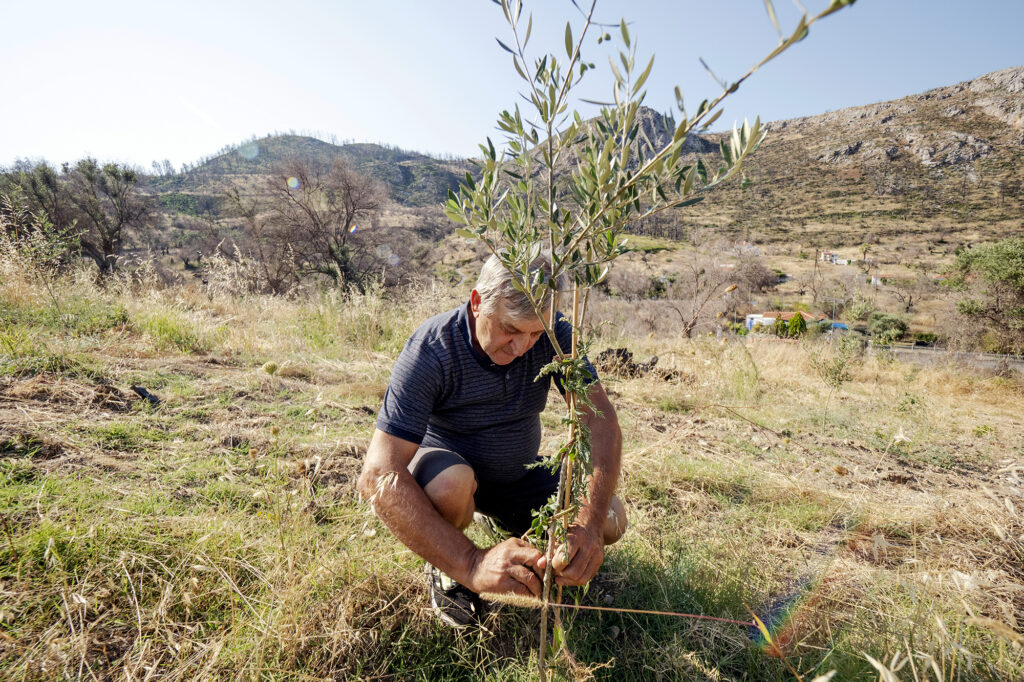
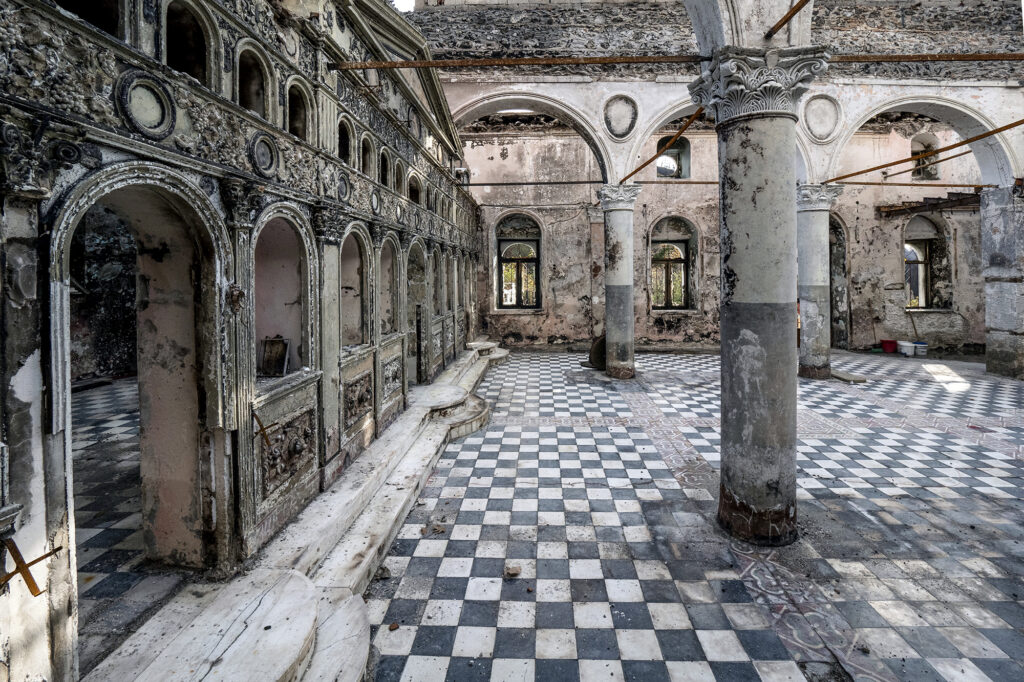
“Ancestors” is a photographic project that explores the relationship between humans and nature, the trauma caused by its destruction, as well as the personal experiences of both the photographer, who hails from Northern Evoia, and its inhabitants.
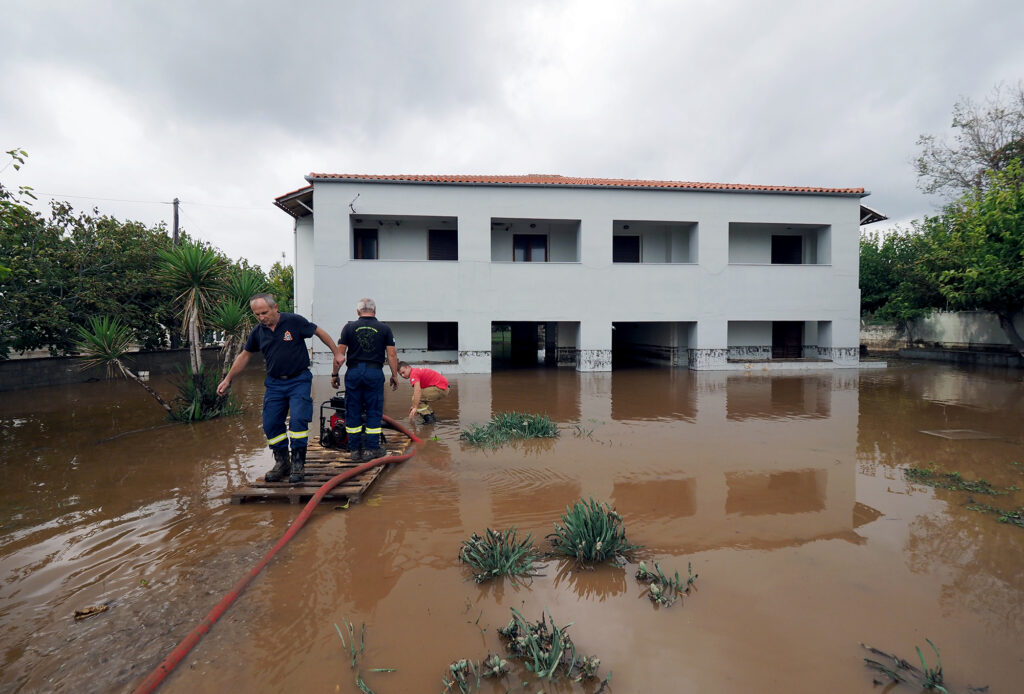
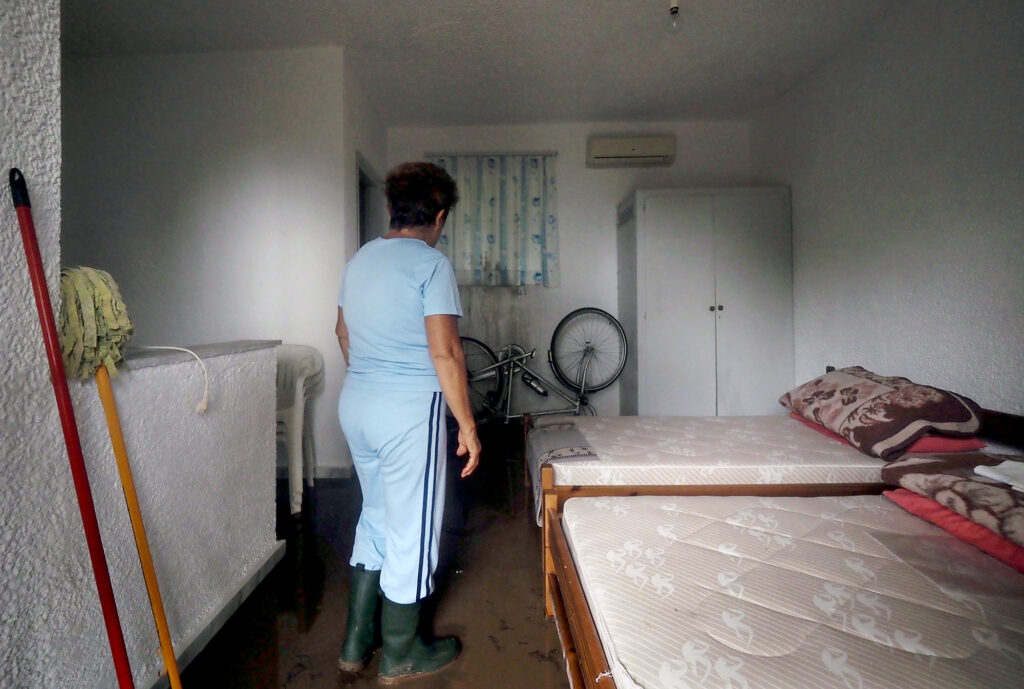
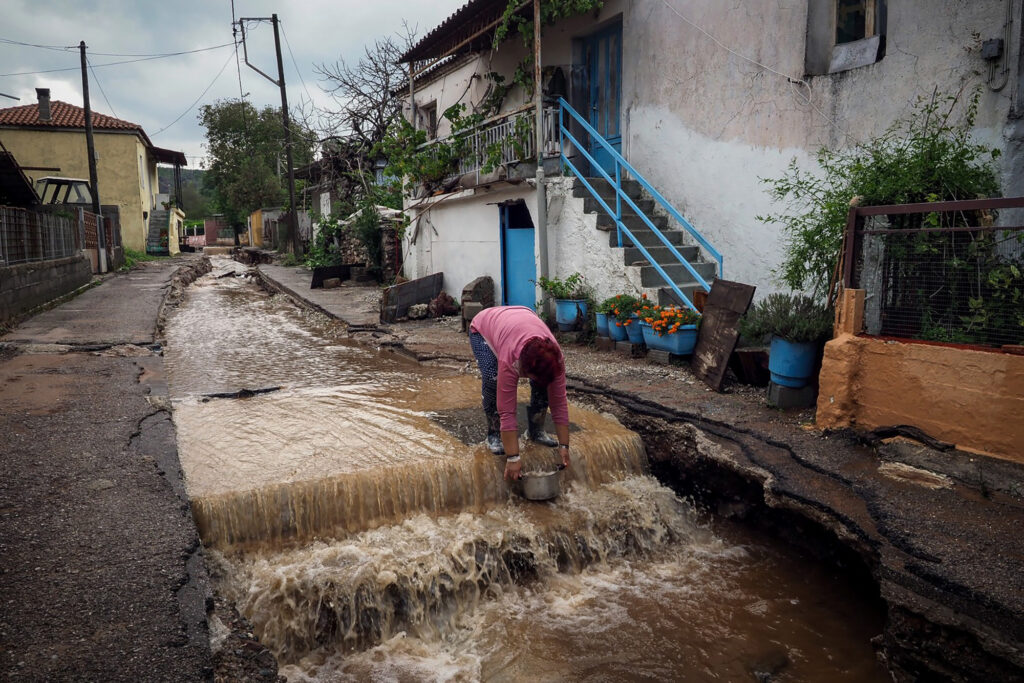
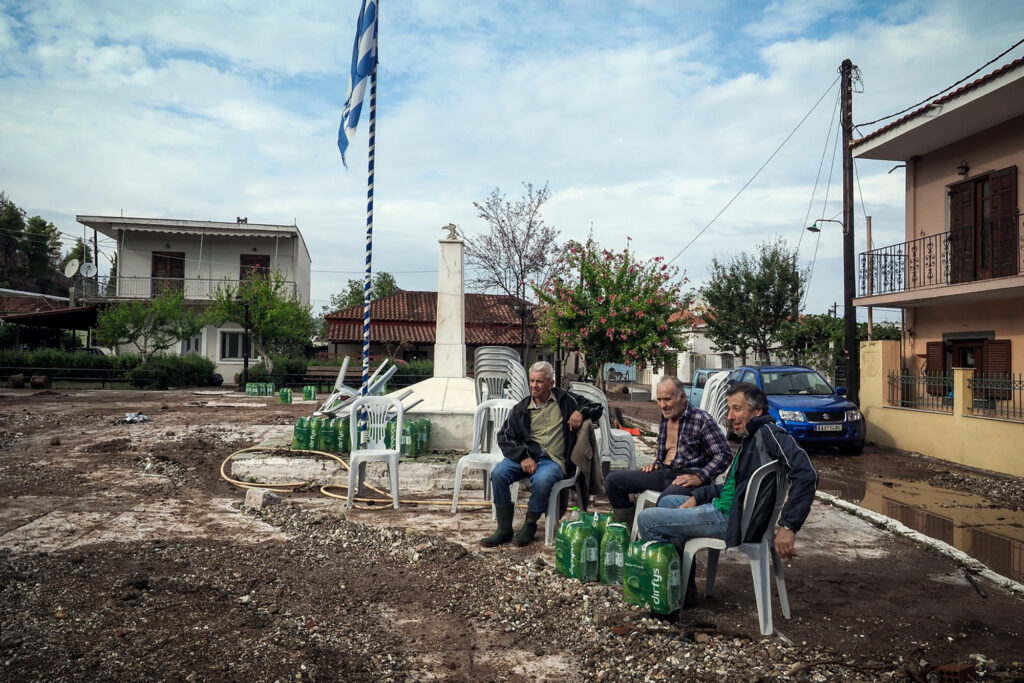
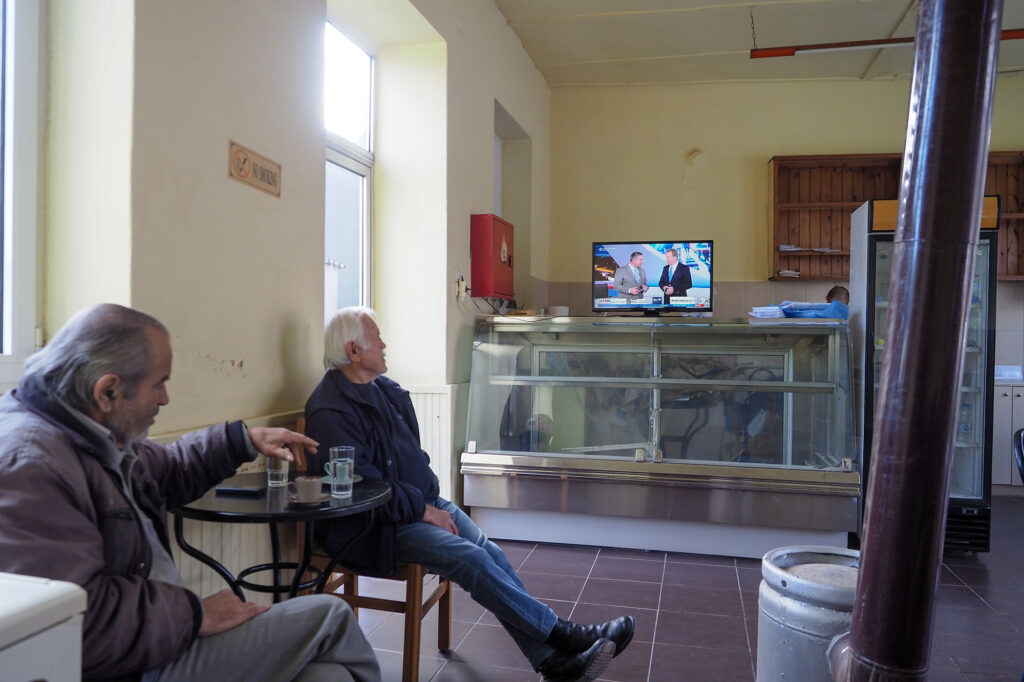
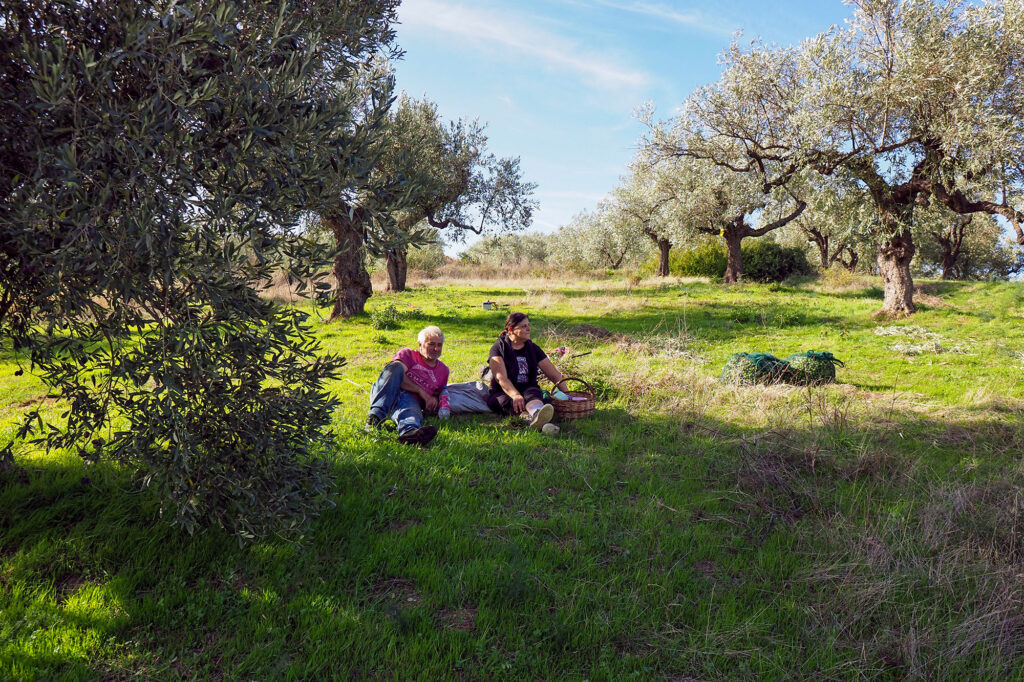
The first section documents the devastating fires and subsequent floods of 2021, events that left an indelible mark on the region’s natural and social landscape. In the second section, the focus shifts to the aftermath: the scarred landscape and the people who remain in their homeland, the changes brought about by recovery in the environment and in the residents’ psyche, with an emphasis on the feeling of loss that remains unhealed.
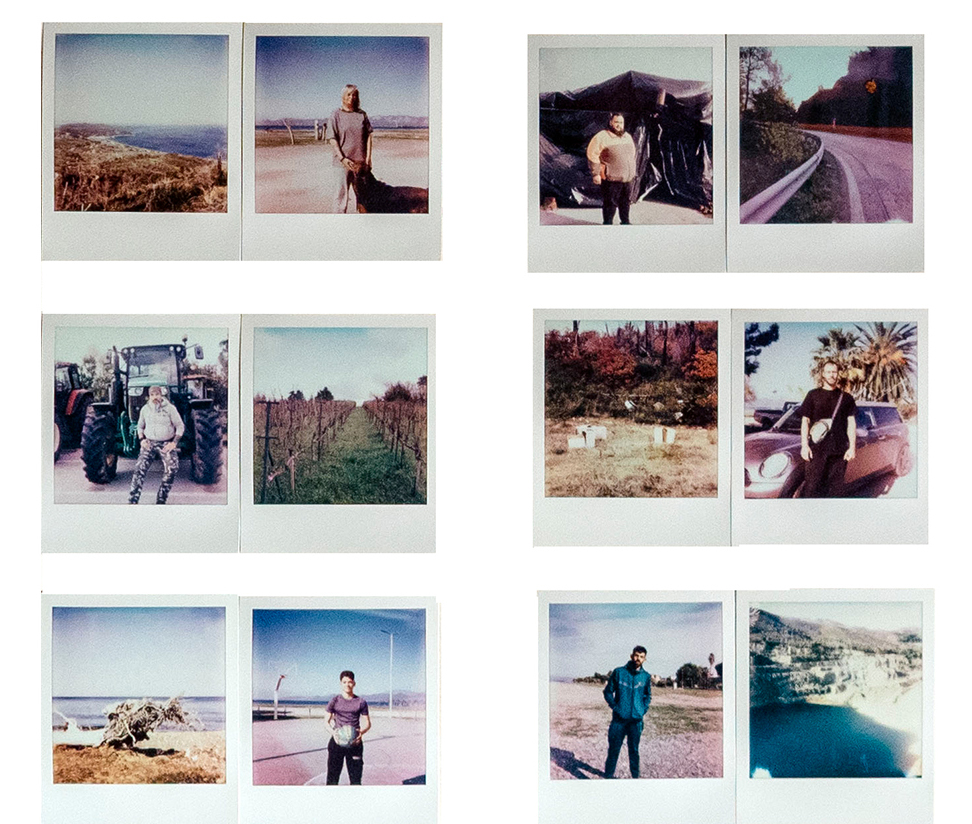
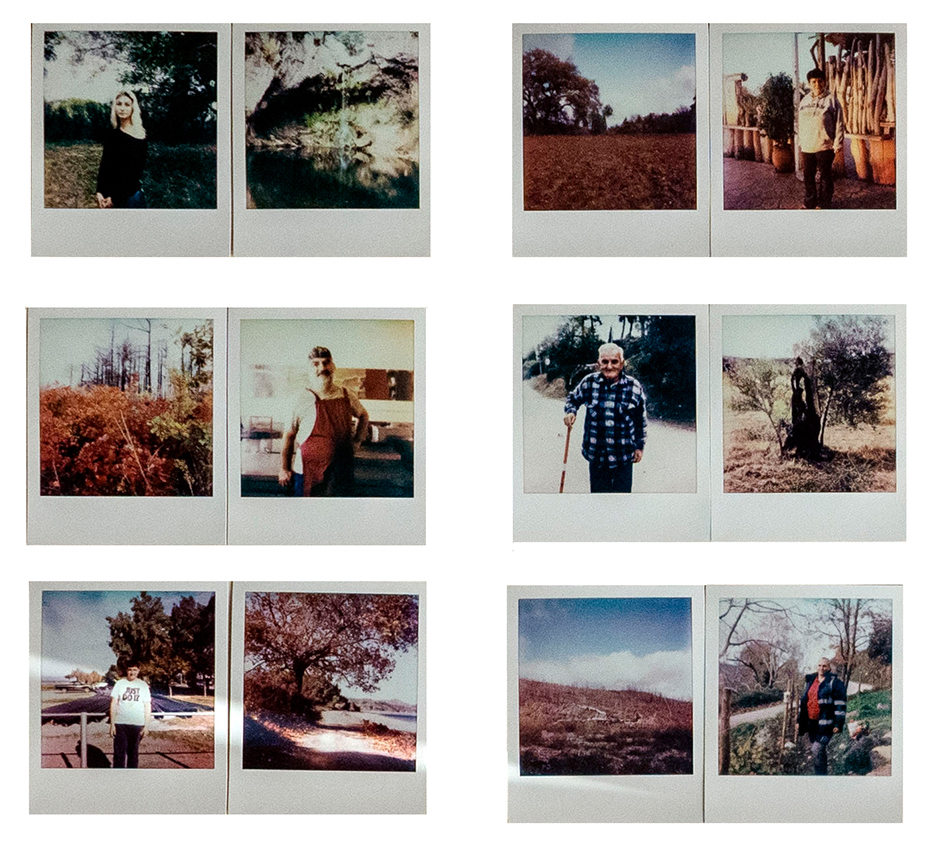
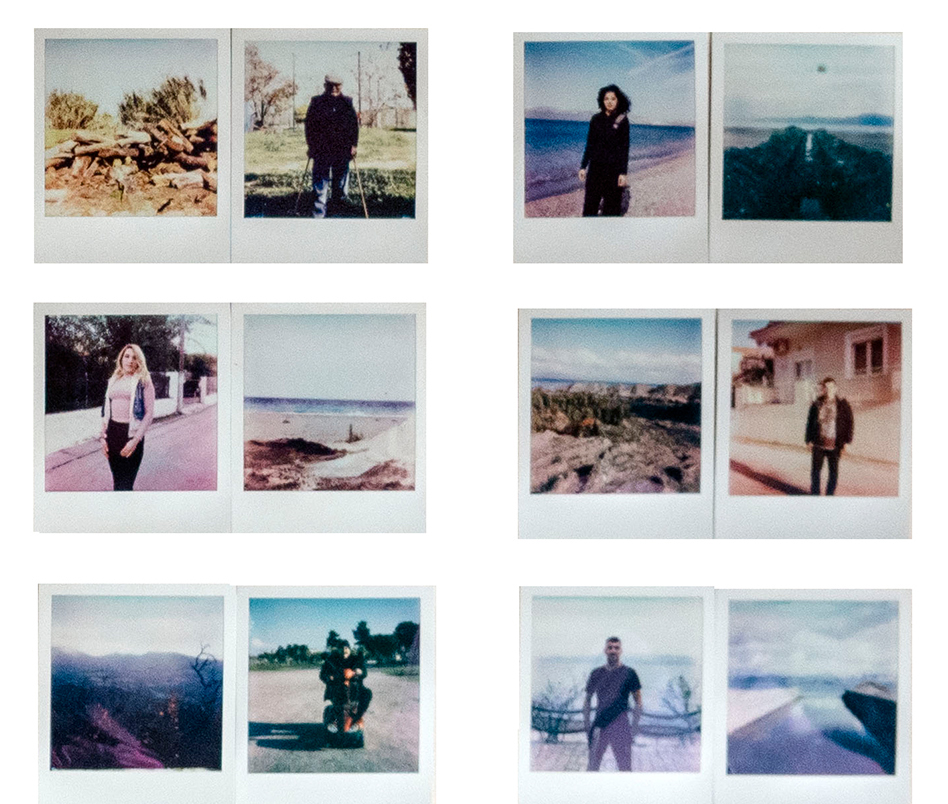
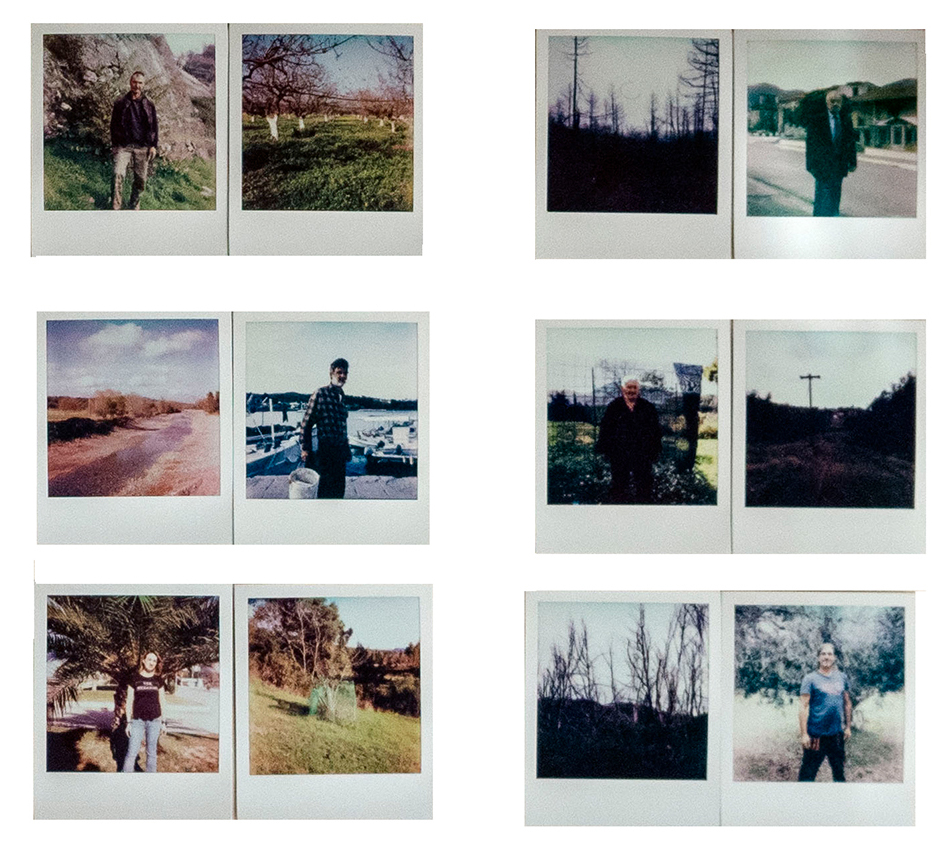
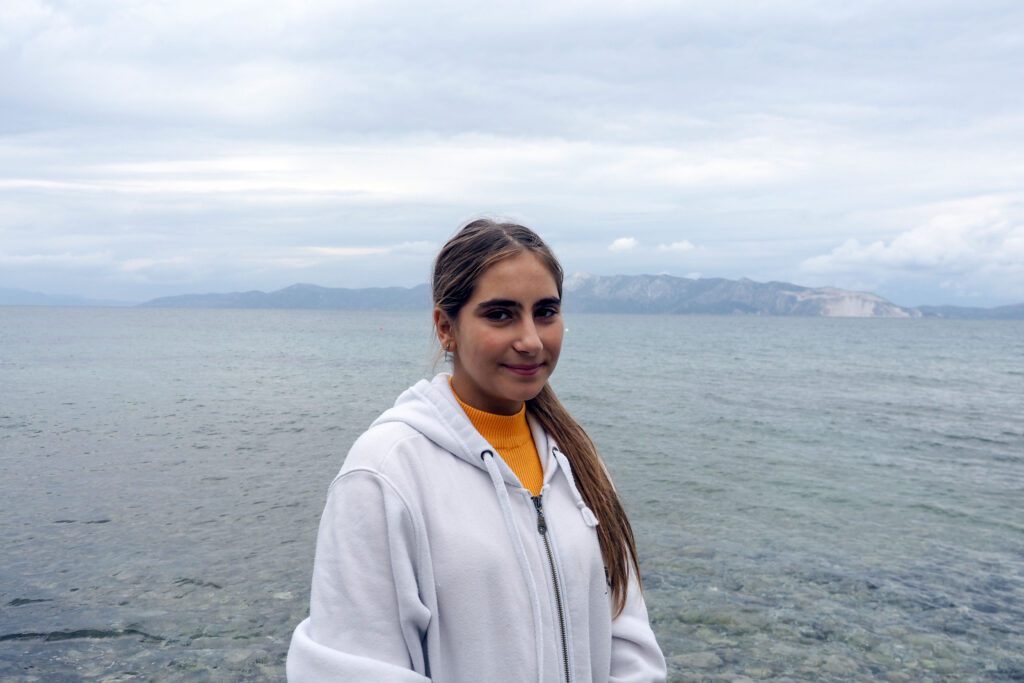
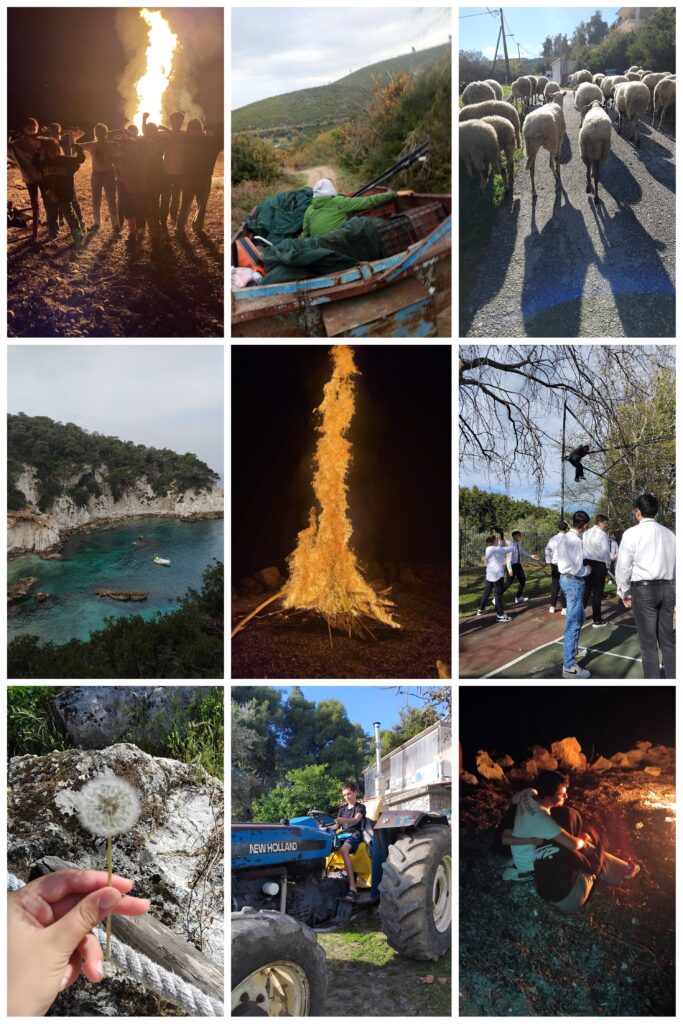
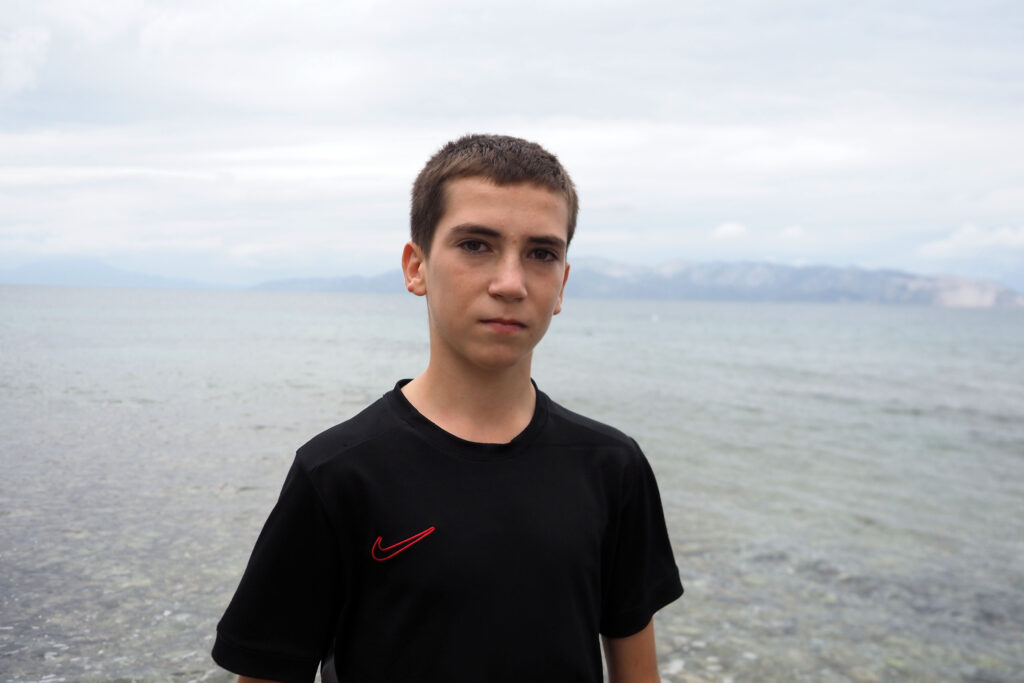
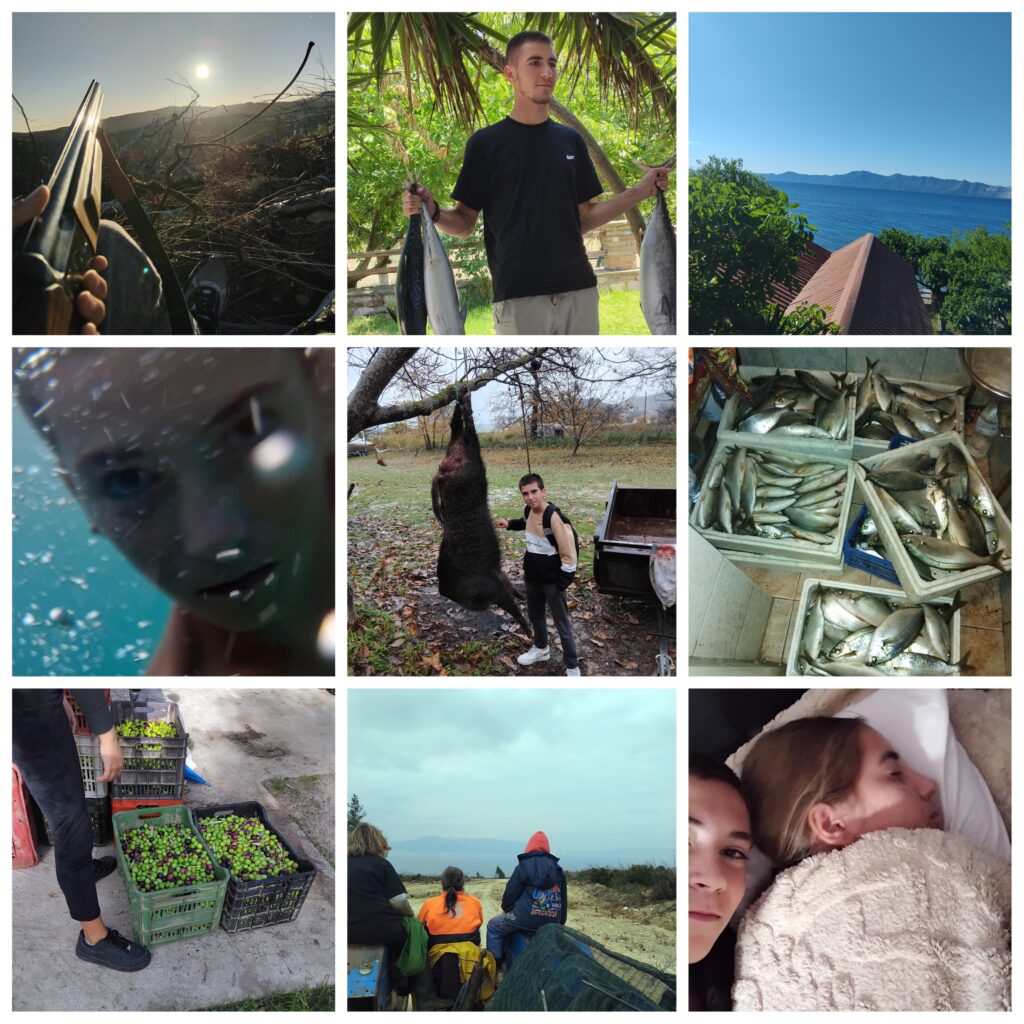
The third section presents Polaroid diptychs, in an effort to capture the dialectical relationship between humans and the environment. In the fourth and final section, the residents themselves become narrators of their own lives: twin siblings, Marianiki and Christos, photograph their daily lives in a remote village in Northern Evoia, creating a personal “photo voice” that explores concepts such as memory, identity, and the democratic nature of the photographic medium. At the same time, the cell phone is transformed from a communication device into a tool for producing memories and photographic artifacts.
Through these four sections, Ancestors does not limit itself to simply documenting a place or a story, but aims to be a profound exploration of our relationship with the environment, the memories we carry, and the resilience of the people who continue to live, narrate, and recreate their place.